Tag: stop gambling

  • Recipe for Disaster: Gambling and Bipolar Disorder

    Photo by Vie Studio on Pexels.com

    Bipolar Disorder is a mental illness that can have a devastating impact on a person’s life. I know this all too well because it ruined mine.

    It began when I was in my early twenties, just starting out in my career and feeling like I had my whole life ahead of me. But little did I know that beneath the surface, a storm was brewing.

    At first, the symptoms were subtle. I would go through periods of intense productivity and creativity, where I felt on top of the world and could accomplish anything I set my mind to. These were the manic phases of my disorder, and they were exhilarating. I felt like I was invincible, like nothing could stand in my way.

    But then, just as quickly as the mania would set in, it would dissipate, leaving me feeling empty and numb. I would sink into a deep depression, unable to find any joy or motivation in anything. It was like the light had been snuffed out, leaving me in a never-ending darkness.

    As time went on, the cycles became more frequent and more intense. I found myself unable to hold down a job, as my moods would shift so dramatically that I couldn’t function in a work environment. I would miss days of work due to my depression, only to show up the next day full of manic energy, unable to focus on anything but the ideas racing through my mind.

    My relationships suffered as well. My friends and family didn’t know how to handle my erratic behavior, and many of them eventually distanced themselves from me. I felt like I was alone in a world that didn’t understand me, trapped in a never-ending cycle of highs and lows.

    I tried medication and therapy, but nothing seemed to help. The pills made me feel like a zombie, robbing me of what little energy and creativity I had left. And the therapy, while helpful in some ways, couldn’t fully alleviate the constant turmoil raging inside me.

    I began to lose hope that I would ever find a way out of the darkness that had consumed me. I felt like a prisoner in my own mind, unable to escape the torment of my bipolar disorder. It was eating away at me, slowly but surely, until there was nothing left but a shell of the person I used to be.

    I checked myself into a mental health facility, where I received the help and support I so desperately needed. It was a long and difficult road, but with the right medication and therapy, I began to see a glimmer of hope on the horizon.

    Slowly but surely, I began to rebuild my life. I found a job that understood and accommodated my mental health needs. I reconnected with my friends and family, who stood by me through thick and thin. And most importantly, I learned to accept myself for who I was, bipolar disorder and all.

    Today, I am in a much better place than I ever thought possible. I still have my ups and downs, but they no longer control me. I have learned to manage my bipolar disorder in a healthy and constructive way, using it as a source of strength rather than a weakness.

    Gambling and bipolar disorder are two complex issues that are often intertwined in a way that is not well understood by many.

    While there is no direct causal link between the two, studies have shown that individuals with bipolar disorder are more likely to engage in risky behaviors such as gambling.

    Bipolar disorder is a mental health condition that is characterized by extreme mood swings, ranging from manic episodes of high energy and impulsivity to depressive episodes of low energy and lethargy.

    These mood swings can have a significant impact on a person’s decision-making abilities and can lead to impulsive and risky behaviors.

    One such risky behavior that is commonly associated with bipolar disorder is gambling.

    Gambling is a form of entertainment that involves wagering money or valuables on an uncertain outcome with the hope of winning more money or valuables in return.

    For some individuals with bipolar disorder, gambling can provide a temporary escape from their symptoms and can serve as a way to seek excitement and stimulation during manic episodes.

    During manic episodes, individuals with bipolar disorder may feel invincible and may be more likely to engage in risky behaviors such as gambling. They may feel a heightened sense of euphoria and may not fully consider the potential consequences of their actions. This can lead to impulsive decision-making and a lack of self-control, which can result in excessive gambling and financial losses.

    On the other hand, during depressive episodes, individuals with bipolar disorder may turn to gambling as a way to cope with their feelings of sadness and despair.

    Gambling can provide a temporary distraction from their negative emotions and can offer a sense of relief from their symptoms. However, this coping mechanism can quickly spiral out of control and can lead to further financial problems and emotional distress.

    Research has shown that individuals with bipolar disorder are more likely to have a history of gambling problems compared to the general population.

    A study published in the Journal of Affective Disorders found that individuals with bipolar disorder were nearly five times more likely to report gambling problems compared to those without the disorder. This highlights the strong association between bipolar disorder and gambling behavior.

    Furthermore, individuals with bipolar disorder who engage in gambling may also be at risk of developing co-occurring disorders such as substance abuse. Research has shown that individuals with bipolar disorder are more likely to engage in substance abuse as a way to self-medicate their symptoms and cope with their mood swings.

    Gambling and substance abuse can often go hand in hand, as both involve addictive behaviors and can have detrimental effects on a person’s mental health and overall well-being.

    It is important for individuals with bipolar disorder to seek help and support for their gambling behaviors. Treatment options such as therapy, medication, and support groups can help individuals learn healthier coping mechanisms and develop strategies to manage their symptoms. It is also important for family members and loved ones to be aware of the potential risks of gambling in individuals with bipolar disorder and to provide support and encouragement for seeking help.

    In conclusion, gambling and bipolar disorder are two complex issues that can be intertwined in a way that is not well understood by many. While there is no direct causal link between the two, studies have shown that individuals with bipolar disorder are more likely to engage in risky behaviors such as gambling.

    It is important for individuals with bipolar disorder to seek help and support for their gambling behaviors and to learn healthier coping mechanisms to manage their symptoms effectively.

    By addressing these issues, individuals can improve their overall well-being and reduce the negative impact that gambling can have on their mental health.

    Bipolar disorder may have ruined my life, but it also taught me resilience and perseverance. It showed me that even in the darkest of times, there is always a glimmer of hope. And it reminded me that no matter how difficult life may seem, there is always a way to find light in the darkness.

  • Interview with Justyn Larcombe

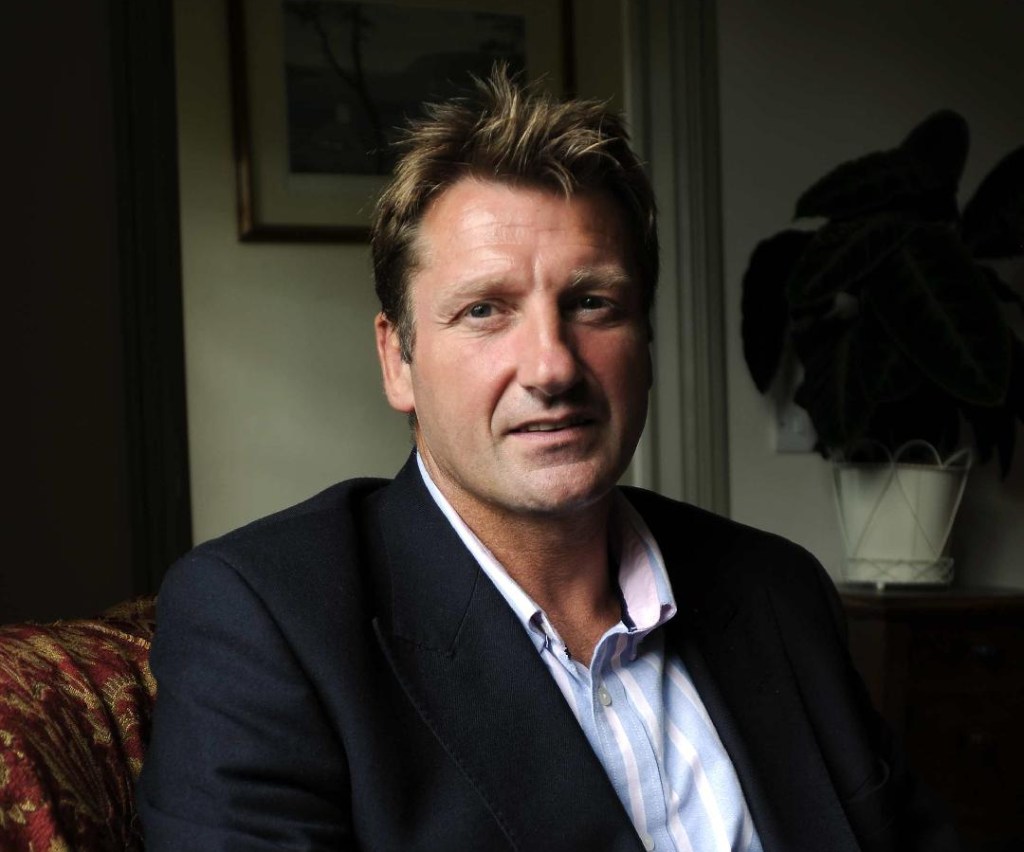
    Interview with Justyn Larcombe


    Friends and family are often key to encourage loved ones with gambling problems to seek help. I was lucky to have my fiancé, who was pushing me to seek professional help. She didn’t give up on me (yet), and she wanted to know everything about the addiction, that was destroying our relationship.

    After trying to learn all she could about the gambling, she discovered that there is not much support nor articles she could find for addict’s partners and their psychological and emotional health. In this difficult period, she contacted many psychologists, because she didn’t know a thing about problem gambling. She wanted to hear from many doctors what their views on this disease was, so that she could form hers. They all gave her different advices. Some said that she should leave straight away, while others told her that she shouldn’t rush with her decision. Advice she appreciated the most was that it wasn’t her fault, as partners often feel guilty and think that they did something wrong.

    One day, after coming home from work, she told me to check a TED talk she found helpful. It was “The fall and rise of a gambling addict” by Justyn Rees Larcombe. It’s a story about ex-military Major that gambled his money and savings.

     A good TED talk does more than just inspires you – it changes the way you see the world, or challenges you are facing. That was exactly what I experienced. It made a huge impact on me, because for the first time, I felt relieved. I wasn’t the only one with this problem, I’m not alone.

    For my biggest surprise, my fiancé bought me a book Justyn wrote “Tails I Lose”. She knew I couldn’t afford it and how much just a short TED talk meant to me. It was the most precious gift I have ever received, because I realized she gave me the second chance and really wants to see me getting better.

    What an inspiration the book was. I realized there is always a way out, no matter how bad the problems might seem. However, after reading the book, I still had a few questions and decided to reach out to Justyn. To my surprise, he replied straight away with equally inspiring advices:

    How did you manage to win back your partner’s trust? Looking from this perspective, what would you advice compulsive gamblers who are still hiding from their partners their addiction? When and how to face their partners with the truth? 

    Justyn: One thing I always say is that it is so much better to tell your partner than for them to find out, but choose a time when you have taken some steps on the road to recovery so you can talk about the issue with some good news.Even if it’s just to say ‘this is what happened, but now I have self excluded’ or ‘now I have stopped and am going to a meeting’.Trust is so preciousand if you tell them there is a chance to keep it, if they find out, it may never come back. There are no easy solutions to life. Someone once said to me that for as long as you lied to your partner, expect them not to believe you for the same time after you stop lying. It will hurt when they question you when you are telling the truth, you will be surprised because you never even thought to lie. So give them time – even if it takes a few years.

    Winning back trust takes time, be patient, look for opportunities to win it back and if the love is still there, the trust will follow in time. You have to work a bit harder to  make sure you follow through with everything you say, even if its just turning up at the time you said you would and don’t be surprised if they question you more frequently. Maybe share your finances a bit more and don’t have separate accounts or lines of credit.

    Winning back trust takes time, be patient, look for opportunities to win it back and if the love is still there, the trust will follow in time. You have to work a bit harder to make sure you follow through with everything you say, even if it’s just turning up at the time you said you would and don’t be surprised if they question you more frequently. Maybe share your finances a bit more and don’t have separate accounts or lines of credit.

    In the UK, 1 in 10 suicides is related to problem gambling and a problem gambler is 15 times more at risk from suicide than non gamblers. It is the shame that drives this statistic. I think it helped me to be honest and to realize I wasn’t the only one. So meeting and talking to others in a similar position – or connecting via a blog will really help!

    Justyn is the CEO of “Recovery Two” charity that is helping others to cope with gambling addiction.

    Justyn: “Recovery Two” offers recovery courses to all addicts and one of the key things we noted, as you so rightly point out, is the lack of support for those impacted by the addiction of a loved one. The focus always seems to be on the addict, there should be more support for family. Gambling addiction has a particular impact on family members because of the debt it causes. So we run a family support group which has been a great help to many.

    In case you need support or would like to learn more about gambling addiction, here is the link of  Justyn’s “Charity Two” where you can find needed information.

    If you would like to watch a TED talk I mentioned, here is the link:
    “The fall and rise of a gambling addict” by Justyn Rees Larcombe.

    If you would like to read Justyn’s book, you can purchase it here:
    “Tails I Lose”

  • Part One: My Partner is a Gambler

    Part One: My Partner is a Gambler

    Written by my fiancé

    My fiancé agreed to write about how finding out about my addiction was for her. I think this is the only proper and honest way my readers can have the full picture on how a life of a family gets ruined by a gambling addiction. This is her side of our story, the first part:

    I remember texting my sister on the 17th of December 2019, telling her how happy I am for being with Uri, how life is amazing and how I cannot wait to go home to tell him that (which I did btw). I really enjoyed life we built together, how he made me feel every day and I honestly had no doubts if he is the man I want to spend the rest of my life with.

    He started being broke in November, and I couldn’t understand why. The excuses he gave me were acceptable: unexpected bills for the car and wrongly calculated taxes. I believed him. However, I did find him being broke again in December, the second month in a row, strange and suspicious, but it was the very first time it was happening during these 4 years we’ve been together. Shit happens, I thought, and we’re here for each other “for better for worse, for richer for poorer”. I’ve been telling myself that this is something we need to learn to deal with together, and if I wanted rainbows, I had to put up with the rain, right? 

    We wanted and tried to extend our family for the last three years… unsuccessfully. The diagnosis: unexplained infertility. After trying many other methods, we decided to try to have our baby with a help of IVF. It was scheduled on the 6th of February 2020. We had been on a waiting list for 6 months and I couldn’t wait to start with more promising process. 

    In January, as our IVF treatment was slowly approaching, I started to realize that Uri is so relaxed about not having money. It seemed like it would be the third month he was struggling to pay his share of the rent and I couldn’t understand nor accept it. I became very worried, cause we needed money more than ever for upcoming treatments and preparations for the baby. Uri didn’t seem to care. He started spending time watching Netflix, instead of looking for additional jobs. As an excuse for his behavior, he told me that he already has a full-time job and that he deserves to enjoy life too. 

    But how can he think that he should enjoy, if he is not finding a way to return money he borrowed for the last two rents and won’t be able to pay the next one either? How come he doesn’t have money? Why suddenly his salary is not enough for his expenses? When I would start the conversations about his financial situation and IVF, he would become so defensive and angry. It was impossible to talk to him. From loving, caring and kind man, he turned into someone I couldn’t recognize. For the first time ever, I started doubting if I should go to IVF treatment at all. 

    Finally, on the 3rd of February 2020, three days before I was supposed to start with IVF process, he texted me, while I was working, saying he will be struggling again with the bills. After me pushing and asking so many questions, he said he has a problem with the credit card – it went to minus €3800. I asked him out of the blue if he was betting. I have no idea why I asked him that, when there were no signs of him betting before. He said “sometimes”. I was shocked, my heart started beating so fast and my head started spinning. My fiancé, who I shared a life with for four years, who I had scheduled the IVF treatment with, is hiding something so big from me. What else is he hiding? What else I don’t know about him? Do I know him at all? 

    I barely could work that day. All I wanted was to cry. I remember I started crying the moment I left the office. Uri, I thought I knew, was gone. I am living with a liar and a gambler… Wtf.. How come I didn’t notice anything before? Did I do something wrong? Is this my fault? 

    That evening we spent talking. He explained the details and how his credit card was maxed out. My world collapsed. Nothing I believed in was true. 

    Is anything he is saying true? How serious is the gambling problem he has? It must be that he doesn’t love me. He wouldn’t do this if he loved me. Why is he with me then? Did he use my money for betting? Was he stealing from me? Omg.. what should I do? How can I go to IVF if I can’t trust him? Maybe €3800 he can return in a few months, but how will I trust him…

    At first I was extremely sad and in absolute disbelief. I was so sad that he was going through all of this all alone. How lonely he must have felt all these years. I failed as a partner, cause he didn’t trust me enough to share all sides of him. I didn’t understand why he couldn’t trust me enough to share his problems with me, when I was so supportive ad cared for him the best I could. 

    I remember kissing and hugging him so much that evening, as if I could kiss away all the problems and protect him somehow. He was saying that he was so surprised by my reactions, as so was I. He was expecting yelling and judgement, but to our surprise, that didn’t come at all.

    After he went to sleep I realized that I needed more answers which I couldn’t wait for. I woke him up and after asking more questions, her finally opened up and told me everything. 

    OMG.. he borrowed €40 000… Hearing the truth felt as if you opened up someone and saw a huge malignant cancer that you never thought would be there. It was so clear to me that this has to be the end of our relationship and that IVF has to be cancelled. I was overwhelmed with sadness because he struggled so much last 2 years with his sickness. If I only knew, maybe I would be able to help him. All I could think about were all the moments we won’t have: pregnancy, birth of our kids, playing with our puppy, summer vacations, all the laughter, hugs…I was absolutely sure he didn’t love me.

    I cancelled the IVF treatment and told him he has to move out in two weeks.