Bipolar Disorder is a mental illness that can have a devastating impact on a person’s life. I know this all too well because it ruined mine.
It began when I was in my early twenties, just starting out in my career and feeling like I had my whole life ahead of me. But little did I know that beneath the surface, a storm was brewing.
At first, the symptoms were subtle. I would go through periods of intense productivity and creativity, where I felt on top of the world and could accomplish anything I set my mind to. These were the manic phases of my disorder, and they were exhilarating. I felt like I was invincible, like nothing could stand in my way.
But then, just as quickly as the mania would set in, it would dissipate, leaving me feeling empty and numb. I would sink into a deep depression, unable to find any joy or motivation in anything. It was like the light had been snuffed out, leaving me in a never-ending darkness.
As time went on, the cycles became more frequent and more intense. I found myself unable to hold down a job, as my moods would shift so dramatically that I couldn’t function in a work environment. I would miss days of work due to my depression, only to show up the next day full of manic energy, unable to focus on anything but the ideas racing through my mind.
My relationships suffered as well. My friends and family didn’t know how to handle my erratic behavior, and many of them eventually distanced themselves from me. I felt like I was alone in a world that didn’t understand me, trapped in a never-ending cycle of highs and lows.
I tried medication and therapy, but nothing seemed to help. The pills made me feel like a zombie, robbing me of what little energy and creativity I had left. And the therapy, while helpful in some ways, couldn’t fully alleviate the constant turmoil raging inside me.
I began to lose hope that I would ever find a way out of the darkness that had consumed me. I felt like a prisoner in my own mind, unable to escape the torment of my bipolar disorder. It was eating away at me, slowly but surely, until there was nothing left but a shell of the person I used to be.
I checked myself into a mental health facility, where I received the help and support I so desperately needed. It was a long and difficult road, but with the right medication and therapy, I began to see a glimmer of hope on the horizon.
Slowly but surely, I began to rebuild my life. I found a job that understood and accommodated my mental health needs. I reconnected with my friends and family, who stood by me through thick and thin. And most importantly, I learned to accept myself for who I was, bipolar disorder and all.
Today, I am in a much better place than I ever thought possible. I still have my ups and downs, but they no longer control me. I have learned to manage my bipolar disorder in a healthy and constructive way, using it as a source of strength rather than a weakness.
Gambling and bipolar disorder are two complex issues that are often intertwined in a way that is not well understood by many.
While there is no direct causal link between the two, studies have shown that individuals with bipolar disorder are more likely to engage in risky behaviors such as gambling.
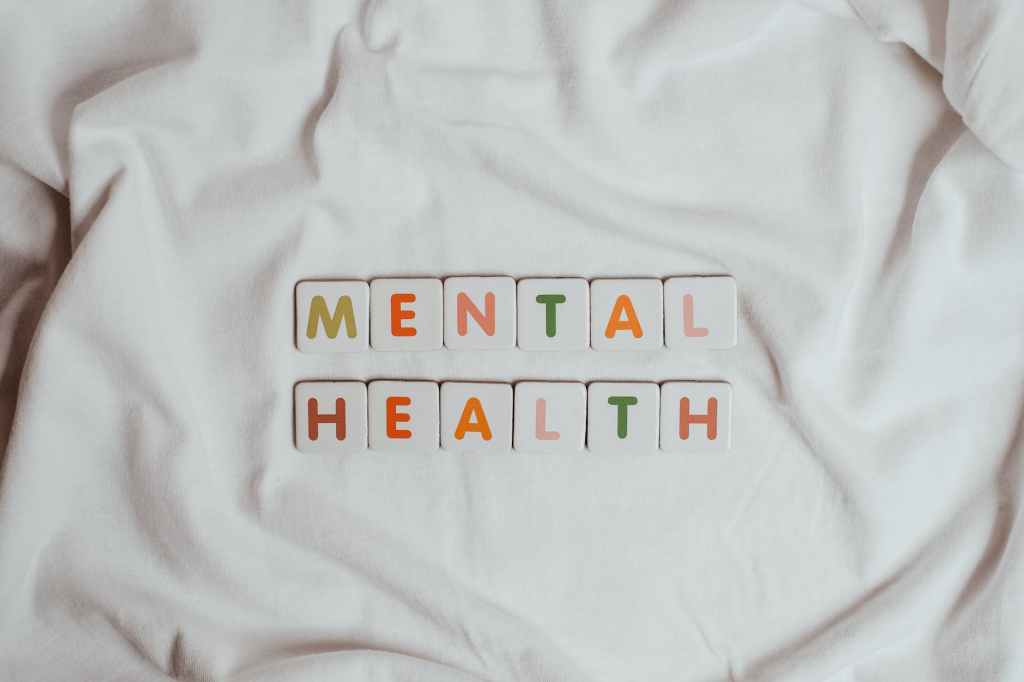
Bipolar disorder is a mental health condition that is characterized by extreme mood swings, ranging from manic episodes of high energy and impulsivity to depressive episodes of low energy and lethargy.
These mood swings can have a significant impact on a person’s decision-making abilities and can lead to impulsive and risky behaviors.
One such risky behavior that is commonly associated with bipolar disorder is gambling.
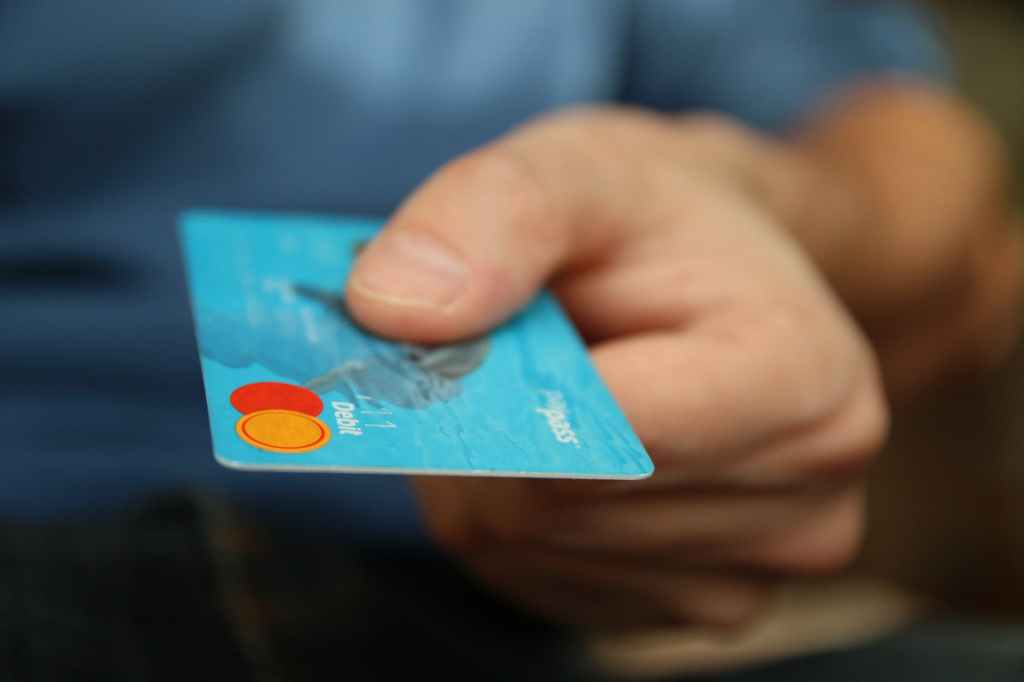
Gambling is a form of entertainment that involves wagering money or valuables on an uncertain outcome with the hope of winning more money or valuables in return.
For some individuals with bipolar disorder, gambling can provide a temporary escape from their symptoms and can serve as a way to seek excitement and stimulation during manic episodes.
During manic episodes, individuals with bipolar disorder may feel invincible and may be more likely to engage in risky behaviors such as gambling. They may feel a heightened sense of euphoria and may not fully consider the potential consequences of their actions. This can lead to impulsive decision-making and a lack of self-control, which can result in excessive gambling and financial losses.
On the other hand, during depressive episodes, individuals with bipolar disorder may turn to gambling as a way to cope with their feelings of sadness and despair.
Gambling can provide a temporary distraction from their negative emotions and can offer a sense of relief from their symptoms. However, this coping mechanism can quickly spiral out of control and can lead to further financial problems and emotional distress.
Research has shown that individuals with bipolar disorder are more likely to have a history of gambling problems compared to the general population.
A study published in the Journal of Affective Disorders found that individuals with bipolar disorder were nearly five times more likely to report gambling problems compared to those without the disorder. This highlights the strong association between bipolar disorder and gambling behavior.
Furthermore, individuals with bipolar disorder who engage in gambling may also be at risk of developing co-occurring disorders such as substance abuse. Research has shown that individuals with bipolar disorder are more likely to engage in substance abuse as a way to self-medicate their symptoms and cope with their mood swings.
Gambling and substance abuse can often go hand in hand, as both involve addictive behaviors and can have detrimental effects on a person’s mental health and overall well-being.
It is important for individuals with bipolar disorder to seek help and support for their gambling behaviors. Treatment options such as therapy, medication, and support groups can help individuals learn healthier coping mechanisms and develop strategies to manage their symptoms. It is also important for family members and loved ones to be aware of the potential risks of gambling in individuals with bipolar disorder and to provide support and encouragement for seeking help.
In conclusion, gambling and bipolar disorder are two complex issues that can be intertwined in a way that is not well understood by many. While there is no direct causal link between the two, studies have shown that individuals with bipolar disorder are more likely to engage in risky behaviors such as gambling.
It is important for individuals with bipolar disorder to seek help and support for their gambling behaviors and to learn healthier coping mechanisms to manage their symptoms effectively.
By addressing these issues, individuals can improve their overall well-being and reduce the negative impact that gambling can have on their mental health.
Bipolar disorder may have ruined my life, but it also taught me resilience and perseverance. It showed me that even in the darkest of times, there is always a glimmer of hope. And it reminded me that no matter how difficult life may seem, there is always a way to find light in the darkness.